
No products in the cart.
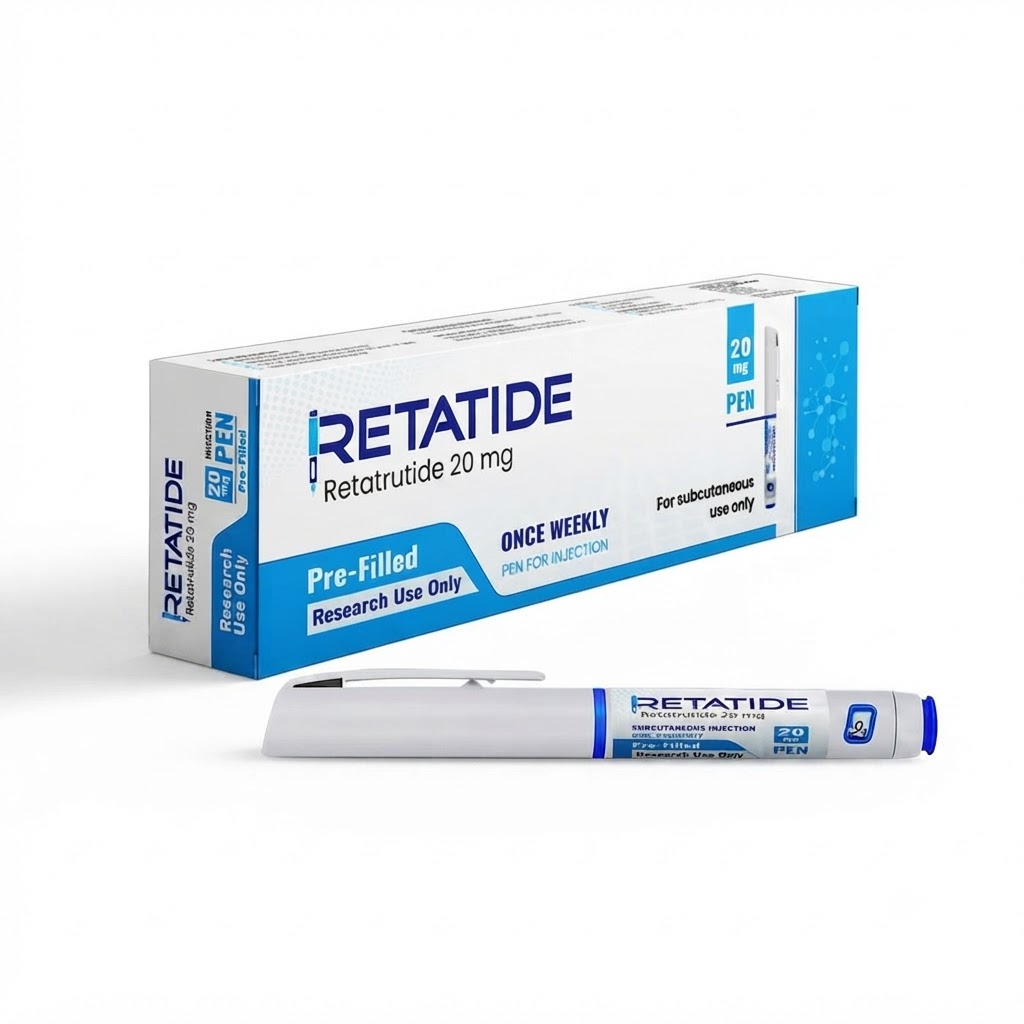
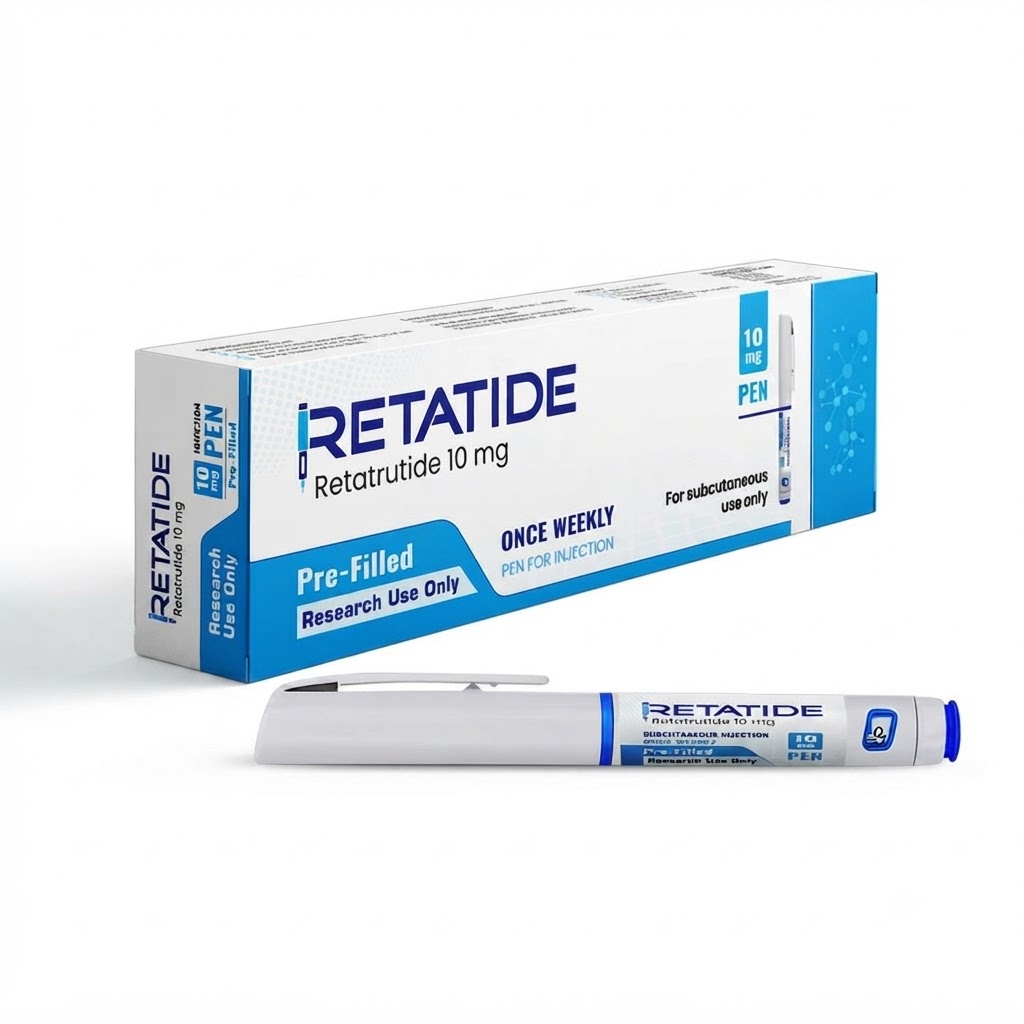
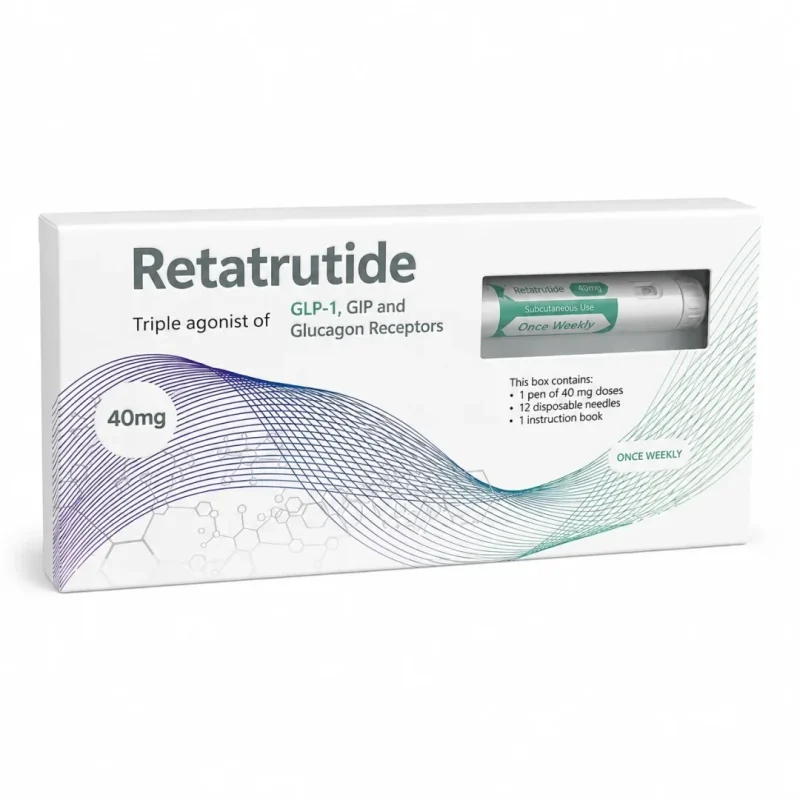
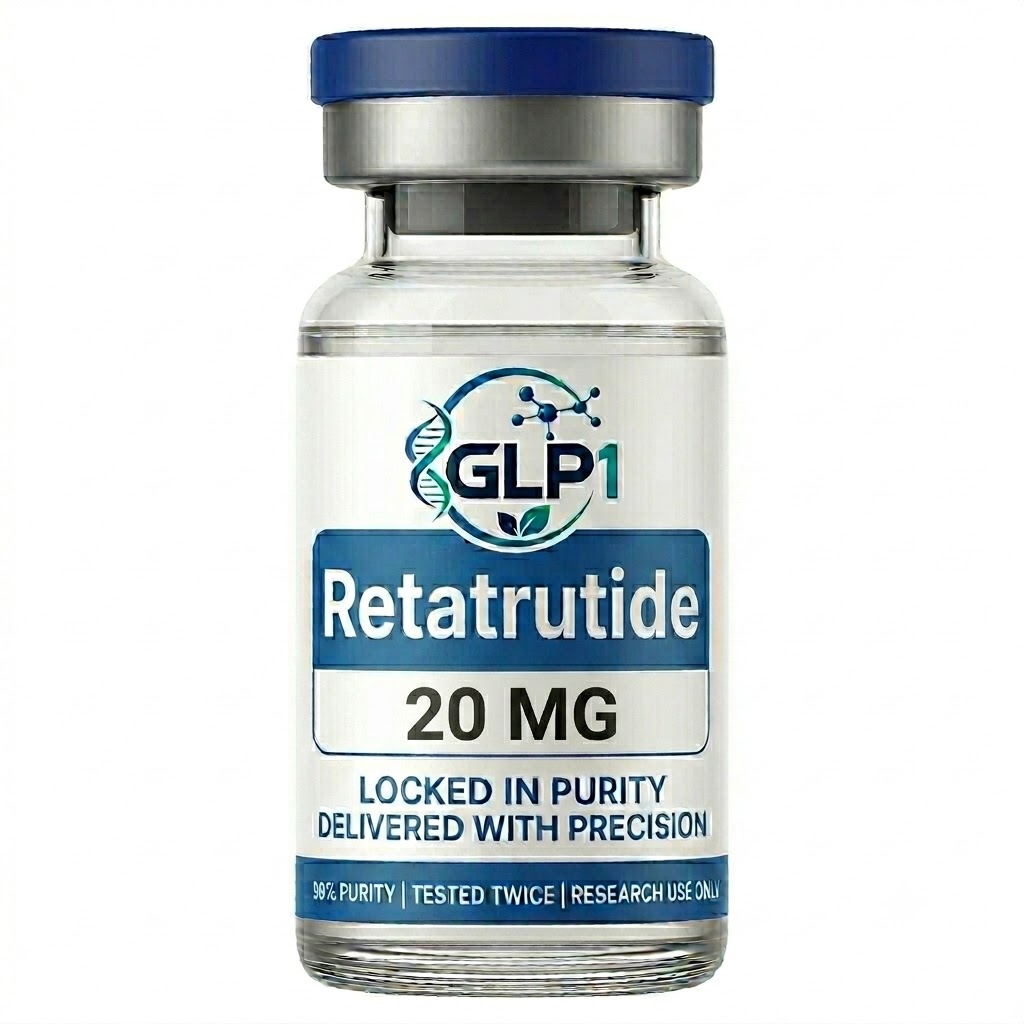
Retatrutide 20mg | High Purity Triple Agonist Peptide
£168.00
Retatrutide 20mg is a premium, high-purity synthetic peptide designed for advanced metabolic and cellular research. As a groundbreaking triple hormone receptor agonist targeting GLP-1, GIP, and glucagon receptors, it offers researchers an unrivaled tool for investigating body composition modulation and energy expenditure pathways. Each vial contains 20mg of lyophilized powder synthesized for maximum stability and analytical precision.
Retatrutide 20mg: Advanced Triple Agonist Peptide for Research
Retatrutide 20mg represents a major leap in modern peptide synthesis and endocrine study. Formulated as a single synthetic peptide, Retatrutide 20mg functions as a multi-receptor agonist that simultaneously engages three key physiological pathways: the glucagon-like peptide-1 (GLP-1) receptor, the glucose-dependent insulinotropic polypeptide (GIP) receptor, and the glucagon receptor (GCGR). This unique “triple agonist” mechanism enables researchers to examine complex metabolic interactions, caloric regulation mechanisms, and cellular energy expenditure in controlled clinical and laboratory models.
Key Pharmacological Mechanisms & Tri-Agonist Functionality
Unlike mono-agonists or dual-acting peptide compounds, Retatrutide 20mg acts across three distinct metabolic pathways concurrently:
GLP-1 Receptor Agonism: Modulates appetite signaling, delays gastric emptying rates, and promotes glucose-dependent insulin secretion.
GIP Receptor Agonism: Enhances incretin synergy, optimizes lipid metabolism, and aids glucose homeostasis while supporting overall gastrointestinal tolerability.
Glucagon Receptor (GCGR) Activation: Stimulates hepatic fat oxidation, elevates resting energy expenditure, and promotes direct lipolysis without inducing glycemic spikes when balanced alongside GLP-1 and GIP signaling.
This synergy makes the compound a valuable research focus for understanding cellular metabolic pathways, as detailed in ongoing research published by sources like NCBI PubMed and Nature Medicine.
                 ┌────────────────────────────────┐
                 │       Retatrutide 20mg         │
                 └──────────────┬─────────────────┘
                                │
        ┌───────────────────────┼───────────────────────┐
        ▼                       ▼                       ▼
┌───────────────┐       ┌───────────────┐       ┌───────────────┐
│ GLP-1 Agonist │       │  GIP Agonist  │       │ GCGR Agonist  │
├───────────────┤       ├───────────────┤       ├───────────────┤
│ Appetite      │       │ Lipid         │       │ Thermogenesis │
│ Control &     │       │ Metabolism &  │       │ & Hepatic Fat │
│ Satiety       │       │ Incretin      │       │ Oxidation     │
│ Pathways      │       │ Synergy       │       │ Pathways      │
└───────────────┘       └───────────────┘       └───────────────┘
Research Applications & Metabolic Scope
In clinical trials and laboratory investigations, Retatrutide 20mg is widely utilized to observe:
Body Composition Regulation: Investigating fat mass loss versus lean muscle preservation during weight regulation studies.
Hepatic Lipid Accumulation: Assessing changes in liver fat content and metabolic dysfunction-associated steatotic liver disease (MASLD) models.
Glycemic Control & Insulin Sensitivity: Measuring HbA1c reductions and insulin sensitivity improvements across metabolic models.
Energy Expenditure: Quantifying changes in resting energy turnover driven by glucagon receptor agonism.
Purity, Stability, and Lyophilization Standards
Every 20mg vial of Retatrutide is produced using High-Performance Liquid Chromatography (HPLC) purification, ensuring a minimum purity standard of >98%. The product is freeze-dried (lyophilized) under vacuum seal to guarantee maximum peptide integrity and shelf-life during transport and storage.
+-------------------------------------------------------------+
|               ANALYTICAL SPECIFICATION SUMMARY              |
+-------------------------------------------------------------+
| Sequence      | 39-amino acid engineered peptide backbone   |
| Molecular Wt  | ~4,731 g/mol                                |
| Purity (HPLC) | ≥ 98.0%                                     |
| Appearance    | White to off-white lyophilized powder       |
| Form          | Sealed 20mg glass research vial             |
+-------------------------------------------------------------+
Storage & Handling Guidelines
For long-term storage, keep the un-reconstituted lyophilized vial at -20°C to keep the peptide stable. Upon reconstitution with laboratory-grade bacteriostatic water, store the liquid solution at 2°C to 8°C (36°F to 46°F) and use within 30 days. Avoid repeated freeze-thaw cycles and direct light exposure. Reference clinical dosing standards on sites like Healthline or WebMD for safety profile comparisons among incretin mimetics.
4. Product Features & Key Highlights
High-Purity Formulation: Minimum 98% purity verified via HPLC and Mass Spectrometry analysis.
Triple Receptor Agonist: Simultaneous activation of GLP-1, GIP, and Glucagon receptors for comprehensive metabolic inquiry.
Extended Half-Life: Acylated with a C20 fatty diacid moiety engineered for extended biological activity (~6-day half-life).
Vacuum-Sealed Stability: Lyophilized format protects against ambient degradation and moisture.
20mg High-Yield Quantity: Suitable for multiple analytical runs and extended research protocols.
5. Warnings, Contraindications & Research Information
FOR RESEARCH USE ONLY: This compound is sold strictly for educational, analytical, and laboratory research purposes. It is not intended for human consumption, direct medical use, or veterinary applications.
Precautions: Handle with appropriate Personal Protective Equipment (PPE), including gloves, laboratory coats, and eye protection, in a controlled lab setting.
Contraindications: Not for clinical or diagnostic use. Keep out of reach of unauthorized personnel and children.
Side Effects Profile (Clinical Literature): Dose-dependent gastrointestinal responses (nausea, mild abdominal discomfort, altered motility) observed in trial literature.
6. Frequently Asked Questions (FAQs)
Q1: What is Retatrutide 20mg?
Retatrutide 20mg is a synthetic peptide engineered as a triple receptor agonist targeting GLP-1, GIP, and glucagon receptors for metabolic, glycemic, and body composition research.
Q2: How does Retatrutide differ from dual agonists like Tirzepatide?
While dual agonists target GLP-1 and GIP receptors, Retatrutide adds glucagon receptor agonism. This third mechanism increases thermogenesis and hepatic fat oxidation, resulting in greater overall weight loss and metabolic expenditure in research trials.
Q3: What is the purity level of Retatrutide 20mg?
The compound is manufactured to a purity standard of ≥98%, confirmed by HPLC testing to ensure minimal impurities for laboratory testing.
Q4: How should Retatrutide 20mg be stored prior to use?
Store the sealed, freeze-dried vial in a freezer at -20°C for long-term storage. Keep away from heat, direct light, and moisture.
Q5: How is Retatrutide reconstituted for laboratory research?
Reconstitute using sterile Bacteriostatic Water or Sterile Normal Saline by gently adding the diluent down the glass wall of the vial and letting the powder dissolve naturally without aggressive shaking.
Q6: What is the biological half-life of Retatrutide?
In research models, Retatrutide exhibits an approximate biological half-life of 6 days, making it ideal for weekly trial protocol evaluations.
Q7: Can Retatrutide 20mg be used for human treatment?
No. Retatrutide 20mg is strictly designated for laboratory research, chemical analysis, and preclinical studies.
Be the first to review “Retatrutide 20mg | High Purity Triple Agonist Peptide”
You must be logged in to post a review.
Related products
Sale!
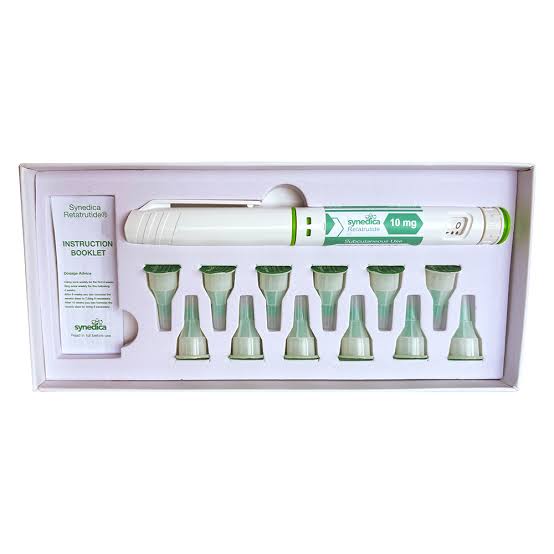
Synedica Peptide
Original price was: £200.00.£173.00Current price is: £173.00.
GHK-Cu Peptide
£90.00
Research Peptides
£29.99
Research Peptides
£132.99
Research Peptides
£33.00
Research Peptides
Research Peptides
Sale!
Research Peptides
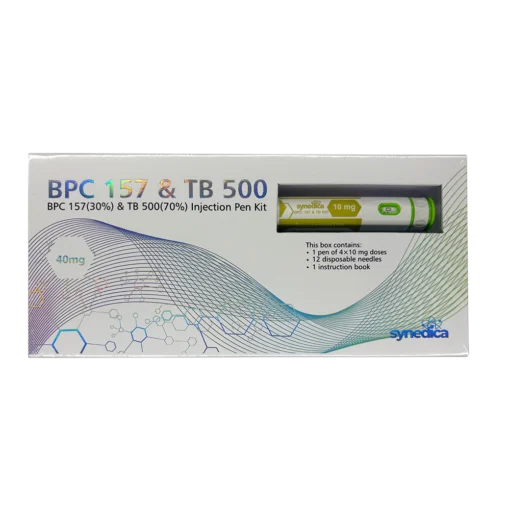
BPC-157 & TB-500 Research Blend Kit | UK Peptide Research Supplier
Original price was: £100.00.£99.99Current price is: £99.99.
Reviews
There are no reviews yet.