
No products in the cart.
Nevolat UK
£150.00
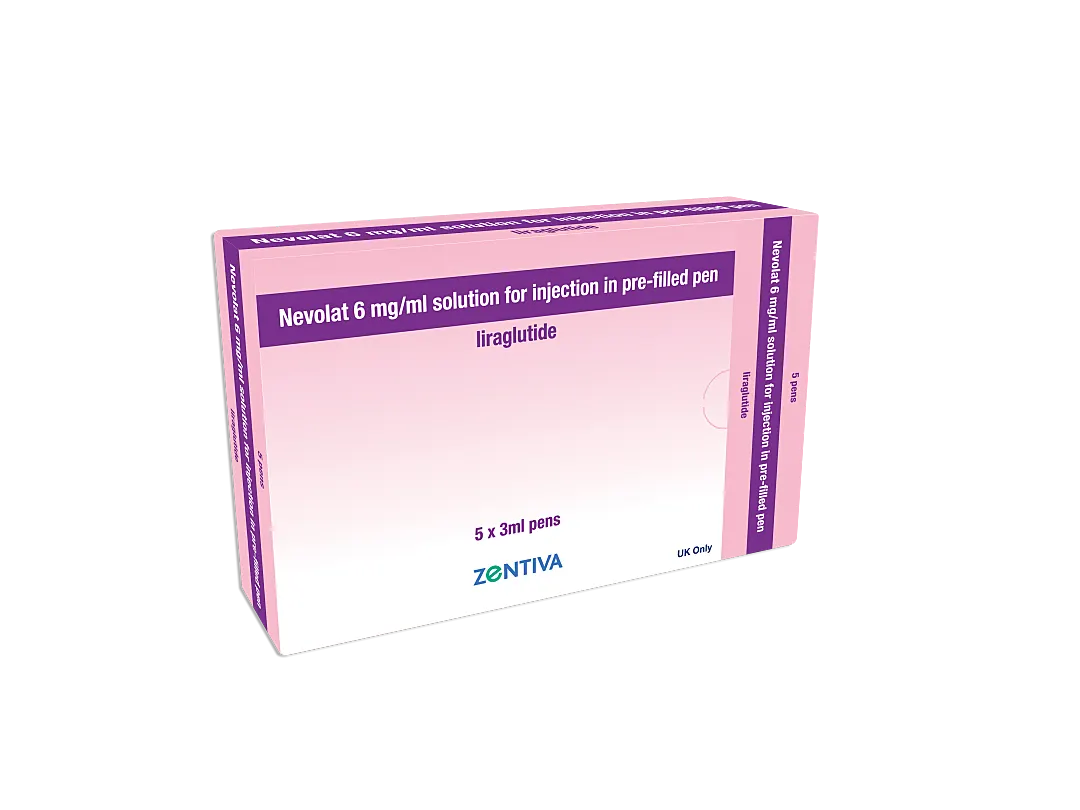
Nevolat is a prescription weight-management medicine containing liraglutide, a GLP-1 receptor agonist supplied as a pre-filled injection pen. It is used alongside a reduced-calorie diet and increased physical activity for eligible patients following appropriate clinical assessment. Nevolat treatment should be prescribed and monitored by a qualified healthcare professional.
Nevolat is a prescription medicine containing liraglutide, a GLP-1 receptor agonist used as part of a comprehensive weight-management programme. It is supplied as a clear solution in a pre-filled pen and is administered by subcutaneous injection. The current UK product information identifies Nevolat as a prescription-only medicine.
Nevolat is intended to be used alongside a reduced-calorie diet and increased physical activity for eligible patients. It is not designed to replace healthy nutrition, regular physical activity or appropriate medical supervision. Individual suitability should be determined by a qualified healthcare professional after reviewing relevant medical history and treatment considerations.
What is Nevolat?
Nevolat contains liraglutide, which is a synthetic analogue of glucagon-like peptide-1 (GLP-1). GLP-1 is a naturally occurring hormone involved in appetite regulation and other physiological processes.
According to the current UK Patient Information Leaflet, Nevolat acts on GLP-1 receptors in areas of the brain involved in appetite control. This can increase feelings of fullness and reduce hunger, contributing to reduced food intake and body-weight reduction when used as part of an appropriate weight-management programme.
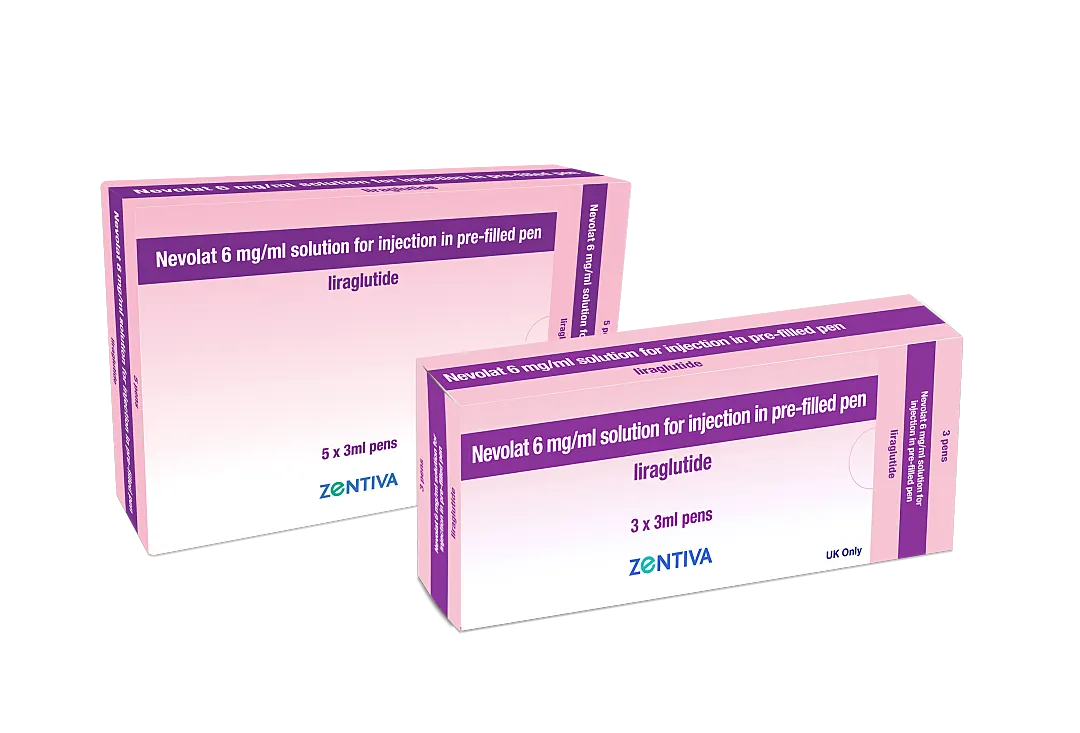
Each 1 ml of Nevolat solution contains 6 mg of liraglutide, while each pre-filled pen contains 18 mg of liraglutide in 3 ml.
What is Nevolat used for?
Nevolat is indicated for weight management in eligible adults when used together with a reduced-calorie diet and increased physical activity.
The current UK SmPC states that adults may be eligible when their initial BMI is:
- 30 kg/m² or greater, or
- 27 kg/m² to below 30 kg/m² when at least one weight-related health condition is present.
Examples of relevant weight-related conditions include dysglycaemia, type 2 diabetes, hypertension, dyslipidaemia and obstructive sleep apnoea.
The current product information also includes an indication for certain adolescents aged 12 years and above with obesity and body weight above 60 kg. Treatment eligibility for adolescents requires appropriate clinical assessment and should not be determined from website information alone.
How does Nevolat work?
Nevolat contains liraglutide, a GLP-1 receptor agonist. GLP-1 receptor agonists act on pathways involved in appetite regulation.
The UK Patient Information Leaflet explains that Nevolat acts on receptors in the brain that control appetite. Patients may experience greater feelings of fullness and reduced hunger, which can contribute to reduced food intake and weight reduction.
The medicine should be considered part of an overall weight-management strategy rather than a substitute for a balanced diet and physical activity.
Nevolat pre-filled pen
Nevolat is supplied as a 6 mg/ml solution for injection in a pre-filled pen. Each pen contains 18 mg of liraglutide in 3 ml of solution. The medicine is administered by subcutaneous injection according to the treatment plan provided by the prescribing healthcare professional.
Patients should read the official Patient Information Leaflet and follow the instructions provided by their prescriber or pharmacist.
Nevolat dosage information
Nevolat treatment uses a gradual dose-escalation schedule. The current UK product information describes starting treatment at a lower dose and increasing it progressively, with the maintenance dose for adults being 3.0 mg once daily where tolerated and clinically appropriate.
The precise treatment schedule should always be followed as prescribed. Patients should not increase, decrease, stop or restart Nevolat independently.
The UK SmPC states that adult treatment should be discontinued after 12 weeks at the 3.0 mg/day dose if the patient has not lost at least 5% of their initial body weight.
Nevolat and lifestyle changes
Nevolat is intended to complement lifestyle measures. The UK indication specifically describes its use alongside a reduced-calorie diet and increased physical activity.
A sustainable weight-management programme can include balanced nutrition, regular physical activity, adequate sleep and appropriate clinical support. Medication decisions should be individualised according to medical history, treatment response and potential risks.
Who may be suitable for Nevolat?
Nevolat may be considered for eligible adults meeting the BMI and health-condition criteria described in the UK product information.
A prescription should only be provided following an appropriate clinical assessment. Factors such as medical history, existing conditions, pregnancy status, current medicines, previous reactions to medicines and other relevant clinical information may affect whether Nevolat is appropriate.
BMI thresholds alone do not replace a proper medical assessment.
Nevolat prescription information
Nevolat is a prescription-only medicine. It should be obtained and used through an appropriate healthcare pathway.
Before treatment, patients should provide their healthcare professional with accurate information about their medical history and any medicines or supplements they are currently taking.
Nevolat should not be treated as an ordinary dietary supplement or general wellness product. It contains a pharmacologically active medicine and has important contraindications, precautions, interactions and potential adverse effects.
Nevolat warnings and precautions
The current UK product information contains important warnings and precautions concerning Nevolat. Patients should read the official Patient Information Leaflet before treatment and speak with their healthcare professional if they have concerns.
Particular care may be required in patients with a history of pancreatitis, thyroid disease, gastrointestinal disease, dehydration or certain kidney or liver problems. Healthcare professionals should assess individual circumstances before prescribing.
Nevolat should not be used by people with a known allergy or hypersensitivity to liraglutide or any of its ingredients.
Nevolat side effects
Like all medicines, Nevolat can cause side effects.
Common gastrointestinal effects associated with liraglutide include nausea, vomiting, diarrhoea and constipation. These effects can be particularly noticeable when treatment is started or when the dose is increased.
Other adverse reactions are possible. The official Patient Information Leaflet provides the complete safety information.
Patients experiencing severe, persistent or concerning symptoms should seek medical advice promptly.
Nevolat and pregnancy
Nevolat should not be used during pregnancy. If pregnancy occurs, treatment should be discussed with the prescribing healthcare professional. Women who are pregnant, planning pregnancy or who may become pregnant should discuss their circumstances with a healthcare professional before treatment.
Nevolat is also not recommended during breastfeeding according to the current UK product information.
Nevolat and other medicines
Tell your healthcare professional about all medicines currently being taken before starting Nevolat.
Particular consideration may be required where other medicines affect blood glucose or gastrointestinal function. People using medicines for diabetes should discuss their complete treatment plan with their healthcare professional.
Do not combine prescription weight-management medicines without professional advice.
Nevolat storage and handling
Nevolat should be stored according to the manufacturer’s instructions. The current UK product information provides specific storage requirements for unopened and in-use pens.
Patients should check the official Patient Information Leaflet supplied with the medicine and follow the storage instructions provided by the pharmacy or healthcare professional.
Product Features
- Active ingredient: liraglutide
- Medicine class: GLP-1 receptor agonist
- Strength: 6 mg/ml solution
- Pen contents: 18 mg liraglutide in 3 ml
- Format: pre-filled injection pen
- Administration: subcutaneous injection
- Prescription status: prescription-only medicine
- Adult use: eligible adults meeting the specified clinical criteria
- Lifestyle support: used alongside reduced-calorie diet and increased physical activity
- Clinical monitoring: treatment response and suitability should be reviewed by a healthcare professional
- Manufacturer documentation: consult the current UK SmPC and Patient Information Leaflet for complete information
Important Warnings
Prescription only: Nevolat should only be used following appropriate clinical assessment and prescription.
Pregnancy: Nevolat should not be used during pregnancy. Discuss pregnancy or planned pregnancy with a healthcare professional.
Allergy: Do not use Nevolat if you are allergic to liraglutide or any of its ingredients.
Pancreatitis: Patients should discuss previous or current pancreatitis with their healthcare professional before treatment.
Dehydration: Vomiting and diarrhoea can contribute to dehydration. Persistent gastrointestinal symptoms should be discussed with a healthcare professional.
Diabetes medicines: Patients taking medicines for diabetes should tell their prescriber before starting Nevolat.
Children and adolescents: The current UK product information includes specific criteria for use in adolescents aged 12 years and above; treatment should only occur under appropriate specialist clinical management.
Do not self-adjust treatment: Dose changes should follow the prescribing instructions provided by a qualified healthcare professional.
FAQs
1. What is Nevolat?
Nevolat is a prescription medicine containing liraglutide. It is used as part of a weight-management programme alongside a reduced-calorie diet and increased physical activity in eligible patients.
2. Is Nevolat a GLP-1 medicine?
Yes. Nevolat contains liraglutide, which is a GLP-1 receptor agonist.
3. What strength is Nevolat?
Nevolat is supplied as a 6 mg/ml solution. Each pre-filled pen contains 18 mg of liraglutide in 3 ml.
4. Is Nevolat a prescription medicine in the UK?
Yes. The current UK product information classifies Nevolat as a prescription-only medicine.
5. Who may be eligible for Nevolat?
The UK indication includes adults with an initial BMI of 30 kg/m² or greater, or adults with a BMI of 27 kg/m² to below 30 kg/m² who have at least one relevant weight-related health condition. A healthcare professional must determine individual suitability.
6. How is Nevolat administered?
Nevolat is supplied as a pre-filled pen for subcutaneous injection. The prescribed treatment schedule should be followed exactly.
7. What are common Nevolat side effects?
Common side effects include gastrointestinal symptoms such as nausea, vomiting, diarrhoea and constipation. The official Patient Information Leaflet contains the complete list of possible side effects.
8. Can Nevolat be used during pregnancy?
No. Nevolat should not be used during pregnancy. Patients who are pregnant or planning pregnancy should discuss their treatment with a healthcare professional.
9. Does Nevolat replace diet and exercise?
No. Nevolat is indicated as an adjunct to a reduced-calorie diet and increased physical activity.
10. Where can I find official Nevolat information?
The UK Electronic Medicines Compendium provides the current Nevolat Summary of Product Characteristics and Patient Information Leaflet.
Related products
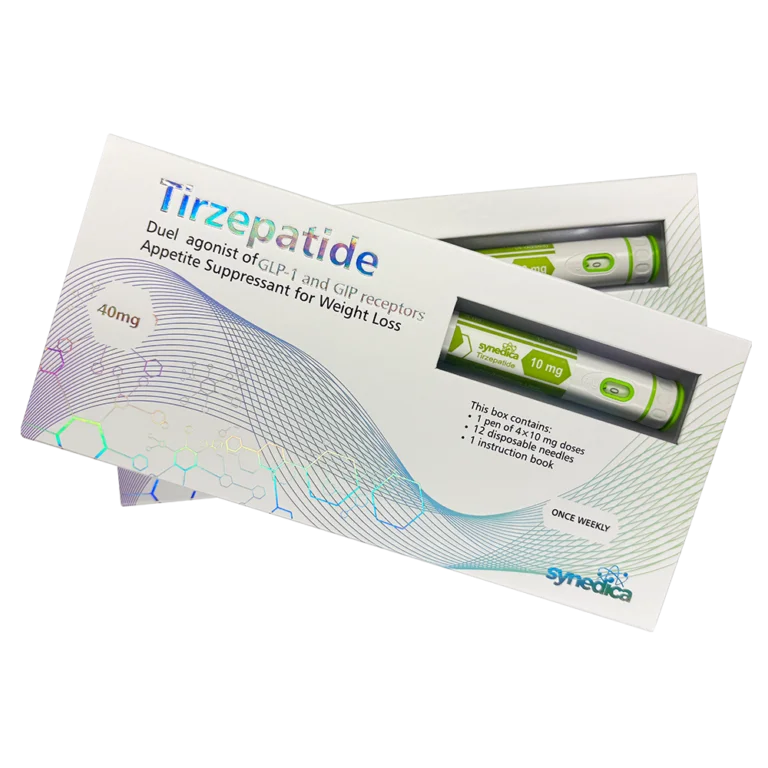
Synedica Peptide
Buy Tirzepatide in the UK 26 Trusted Suppliers 20mg (R&D Only)
£112.00
Weight Management
Price range: £50.00 through £130.00
Weight Management
£165.00
Weight Management
£122.00
Weight Management
£102.00