
No products in the cart.
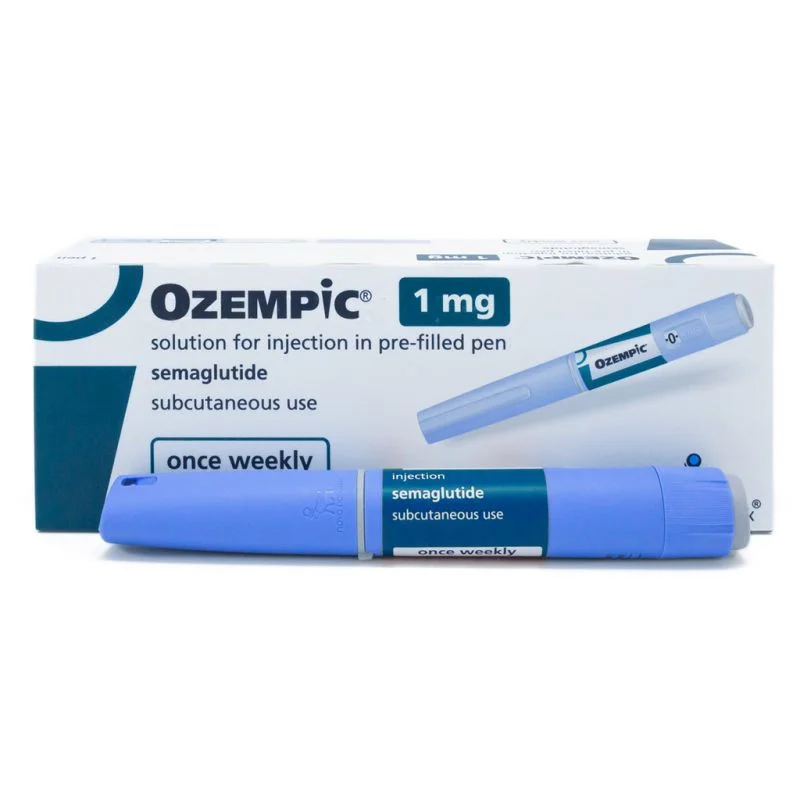
Ozempic for Weight Loss UK
£156.99
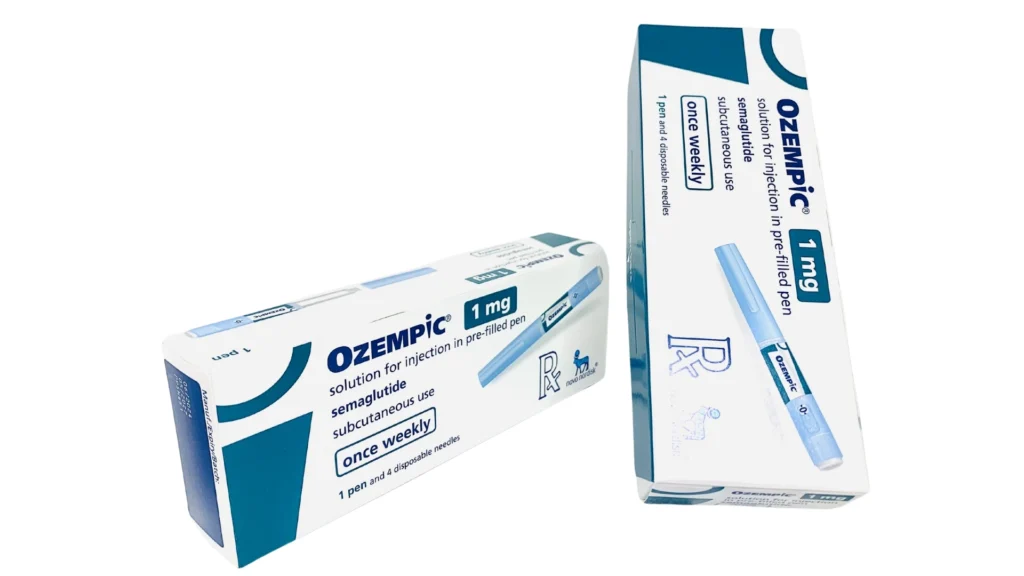
Ozempic® (semaglutide) is a GLP-1 receptor agonist originally developed for the management of type 2 diabetes and is also widely recognised for its effects on appetite regulation and weight management. Many individuals seek information about Ozempic weight loss benefits, treatment options, and how semaglutide supports long-term weight management goals under medical supervision.
Ozempic Weight Loss Guide
Ozempic® contains semaglutide, a GLP-1 receptor agonist that works by mimicking naturally occurring hormones involved in appetite regulation, digestion, and blood sugar control.
As interest in medical weight management continues to grow across the UK, Ozempic has become one of the most discussed treatments associated with weight loss support and appetite management.
This guide explains how Ozempic works, potential benefits, treatment considerations, and what individuals should know before exploring weight management options with a healthcare professional.
What Is Ozempic?
Ozempic is a prescription medication containing semaglutide, a GLP-1 receptor agonist.
GLP-1 receptors are involved in several biological processes related to:
- Appetite regulation
- Gastric emptying
- Blood sugar control
- Energy balance
- Metabolic signalling
By acting on these pathways, semaglutide may help individuals feel fuller for longer periods while supporting structured weight management programmes.
How Does Ozempic Support Weight Loss?
Semaglutide works through several mechanisms that may contribute to weight management:
Appetite Regulation
GLP-1 receptor activation influences appetite centres in the brain, which may reduce hunger signals and support portion control.
Increased Feelings of Fullness
Many patients report feeling satisfied after smaller meals, potentially reducing overall calorie intake.
Slower Gastric Emptying
Food remains in the stomach longer, which may contribute to prolonged satiety.
Support for Lifestyle Changes
Ozempic is commonly used alongside:
- Calorie-controlled nutrition plans
- Physical activity programmes
- Behavioural weight management strategies
- Long-term lifestyle modifications
Potential Benefits of Ozempic Weight Loss Programmes
Individuals participating in medically supervised weight management programmes may experience:
- Reduced appetite
- Improved portion control
- Enhanced satiety
- Support for long-term weight management goals
- Structured treatment monitoring
- Ongoing healthcare guidance
Results vary between individuals and should always be assessed under professional medical supervision.
Who May Consider Weight Management Support?
Weight management programmes may be considered by individuals who:
- Have struggled with traditional dieting approaches
- Require additional support alongside lifestyle modifications
- Are seeking medically supervised weight management options
- Wish to discuss GLP-1-based therapies with qualified healthcare professionals
A full medical assessment is required before determining suitability for any prescription treatment.
Importance of Lifestyle Factors
Successful weight management typically involves multiple factors, including:
Nutrition
A balanced and sustainable eating approach remains essential for long-term success.
Physical Activity
Regular exercise supports overall health and weight management outcomes.
Sleep Quality
Adequate sleep plays an important role in appetite regulation and metabolic health.
Behavioural Changes
Long-term habits often contribute significantly to sustainable weight management results.
Frequently Asked Questions
What is Ozempic?
Ozempic is a prescription medication containing semaglutide, a GLP-1 receptor agonist used under medical supervision.
Is Ozempic approved specifically for weight loss?
Regulatory approvals vary by indication and region. Individuals should consult a qualified healthcare professional regarding approved uses and treatment options available in their location.
How does semaglutide work?
Semaglutide mimics the action of GLP-1, a naturally occurring hormone involved in appetite regulation and metabolic signalling.
Can Ozempic replace diet and exercise?
No. Weight management treatments are typically intended to complement healthy nutrition, physical activity, and lifestyle changes rather than replace them.
Is Ozempic suitable for everyone?
No. Suitability depends on individual medical history, health status, and professional clinical assessment.
Important Medical Information
Ozempic is a prescription-only medicine and should only be used under the supervision of a qualified healthcare professional. Treatment suitability must be determined following an appropriate medical assessment.
Be the first to review “Ozempic for Weight Loss UK”
You must be logged in to post a review.
Related products

Ozempic
£132.99

Ozempic
£125.00
Wegovy
£123.99

Ozempic
£157.99

Wegovy
£156.99
Wegovy
£147.99
£129.99
Weight Management
Price range: £50.00 through £130.00
Reviews
There are no reviews yet.